

Note: video for paid subscribers follows article.
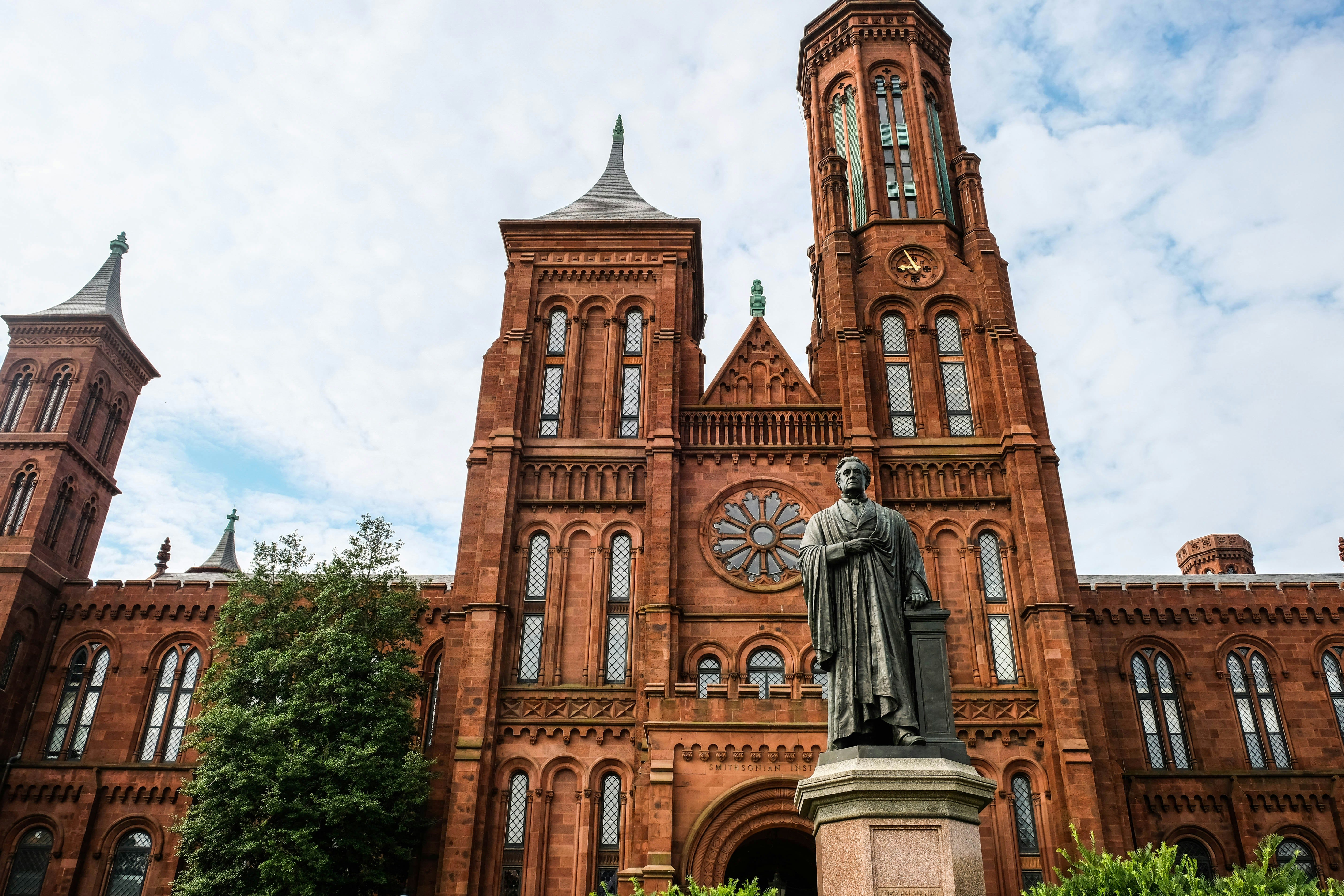
The light dims as visitors enter the Star-Spangled Banner gallery. The gallery lighting is kept low to protect the flag’s faded fabric. Small lights along the floor guide visitors to its glass case. Anthea Hartig, director of the National Museum of American History, told Congress this week that she has watched 10-year-olds stand there with their hands over their hearts. “No one told them to,” she said. Hartig said the museum works best when patriotism is “not instructed, but inspired.”
Republicans had called Hartig before two House committees to answer accusations that the museum presents a hostile view of American history. Rep. Tim Burchett displayed images from an entertainment exhibit and complained about bondage and transgender people. Rep. Nancy Mace accused the museum of grooming children and demanded that Hartig define a woman. Rep. Lauren Boebert asked whether its account of American history would include aborted babies. Although the hearings were billed as examinations of scholarship, Republicans spent much of their time questioning Hartig about sex, gender and abortion.
The hearings followed a 162-page White House report released July 4 and titled “Saving America’s Story.” It accuses the museum of “extreme political activism” and says visitors should be warned that its exhibits were prepared by people “who don’t want you to love your country.” Trump’s March 2025 executive order directs federal historical sites to become “solemn and uplifting public monuments.” It tells Vice President J.D. Vance to use his seat on the Smithsonian Board of Regents to remove “improper ideology” and directs the administration to seek funding restrictions and regents committed to Trump’s policy.
The Smithsonian has sometimes made choices that conservatives can fairly criticize. Curators may follow academic trends and write exhibit labels that are ideological or difficult for ordinary people to understand. The museum’s revised mission statement omits both “American” and “history.” Congress can question the museum’s choices and point out factual errors.
The Smithsonian, like any entity funded by the taxpayers, deserves scrutiny. However, Trump is using appointments, funding threats and public attacks to pressure its leaders into changing what the museum says. Trump is judging exhibits by whether they make visitors feel proud of the country. Trump may condemn an accurate exhibit simply because it makes some visitors angry or uncomfortable.
This is common with would-be authoritarians. Leaders who don’t tolerate criticism often target museums, universities and the press. Museums preserve documents and objects that may contradict what the government says. Scholars examine official claims and publish evidence. Reporters record what politicians say, making it harder for them to deny it later.
Trump’s attacks on cultural institutions is not a new strategy. Authoritarian leaders often begin by taking control of universities, museums and the press.
In 1931, Mussolini required Italian university professors to swear loyalty to the Fascist regime. Nazi officials purged cultural institutions, removed thousands of works they labeled “degenerate” from German museums and dictated who could work in art, film, music and publishing. Viktor Orbán’s government gained influence over much of Hungary’s media and transferred universities to foundations headed by political appointees.
Trump has already used the same tactics elsewhere.
He installed himself as chairman of the Kennedy Center and put loyalists in charge. His administration made major cuts to arts and humanities grants. It threatened universities with the loss of billions in federal support while demanding changes in hiring, admissions and governance. The administration has also subpoenaed New York Times reporters and sought records involving their relatives after reporting that embarrassed the White House.
To achieve his goals, Trump doesn’t have to send curators a written list of forbidden subjects. Forcing out one museum director can affect the decisions made by everyone who remains. University presidents watch other schools lose federal research money. Editors see the government pull reporters’ relatives into leak investigations. Employees may avoid subjects likely to anger the administration, even without a direct order.
In On Tyranny, Timothy Snyder calls this “obeying in advance”: People comply because they expect punishment, not because they have received a direct order.
I watched members of Congress change their behavior because they feared Trump’s retaliation. In the Air Force, a commander who buries a maintenance failure or bad decision sends the next crew into the air with the same problem. Members of Congress may dislike what an investigation finds, but they aren’t entitled to rewrite the findings.
A national museum should follow the evidence, including when it complicates the reputation of an admired figure. George Washington led a revolution that changed the world and held human beings as property. The men who wrote the Declaration did not live by its promise of equality. However, later generations cited the Declaration while demanding rights its authors had denied them. The museum should present those facts and let visitors decide what they mean.
Jefferson’s writing desk and the Greensboro lunch counter belong in the same museum. Jefferson used the desk to draft the Declaration. Nearly two centuries later, four black students sat at the Greensboro counter to protest segregation. The museum can explain Jefferson’s achievement while also showing how long black Americans had to fight for equal treatment.
Visitors to the Star-Spangled Banner gallery already decide for themselves what the flag means. But Americans and our very history face a much more insidious threat from the whims of a would-be strongman. Cultural institutions have historically been targets of thugs who would bend countries to their will. And what is happening today is no different. A museum, and the history it keeps, is not a loyalty test. And the American story belong to all of us. Not one man who is desperately trying to hide the parts that make him and his followers uncomfortable.
Video discussion for paid subscribers:
