


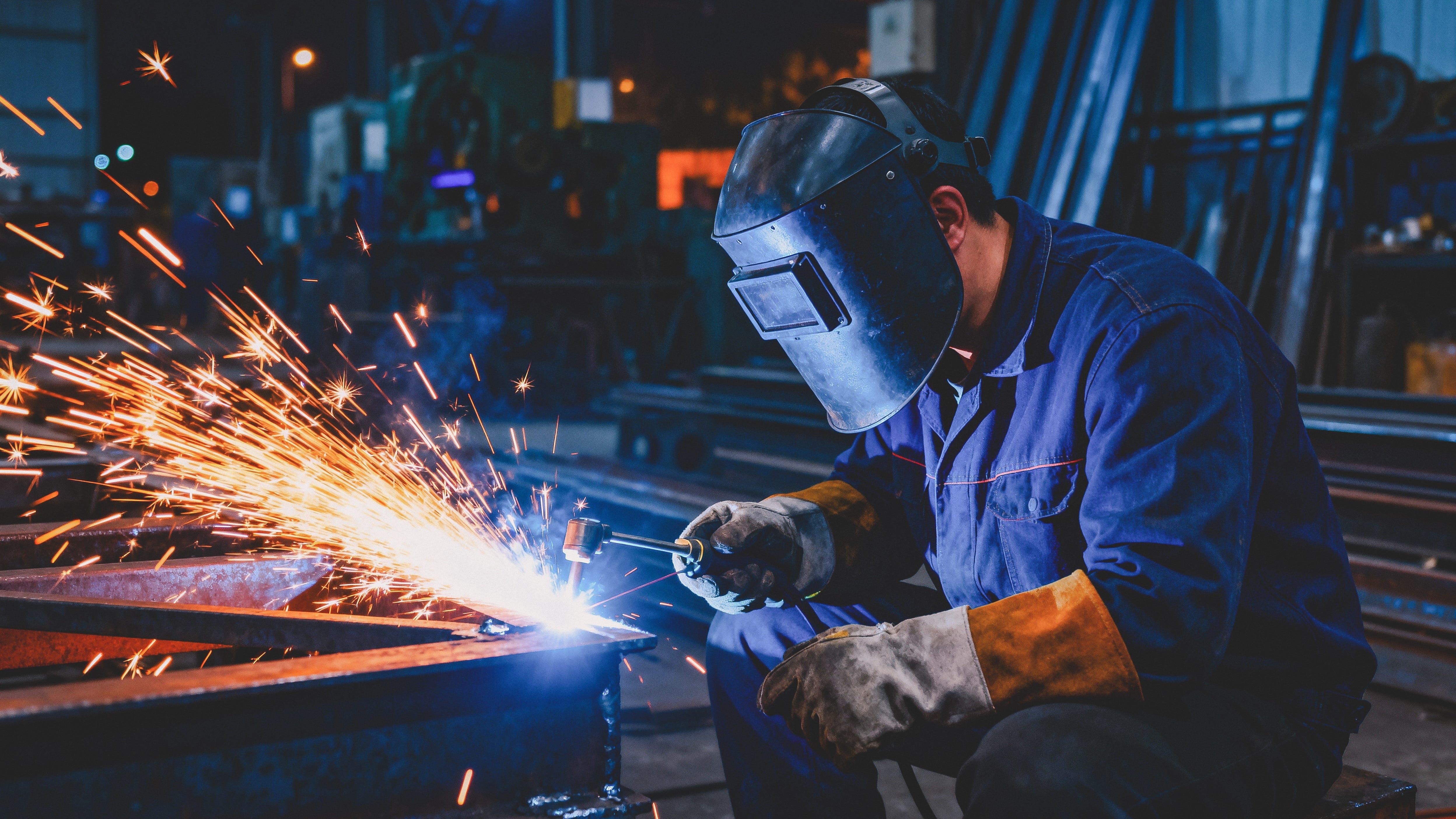
This country was founded on a union, and on this Labor Day, we’re reminded that the American worker, not Washington, has led to our prosperity.
I mean that in the literal sense before I mean it any other way. A union of states, at first thirteen of them, none of which would have survived its first winter without the people who worked the docks, farmed the land, and kept the candles lit while men in wigs argued about the shape of the government those workers were paying for. Everything this country has ever been proud of, we built with our hands before we ever legislated it into being.
Labor Day itself carries that same complicated truth. The first one wasn’t declared by a president or debated in Congress. It was a parade. On September 5, 1882, roughly ten thousand workers in New York City gave up a day’s wages, marched from City Hall to Union Square, and told the country to notice them. It took twelve more years and a considerably darker chapter in labor history before it became a federal holiday.
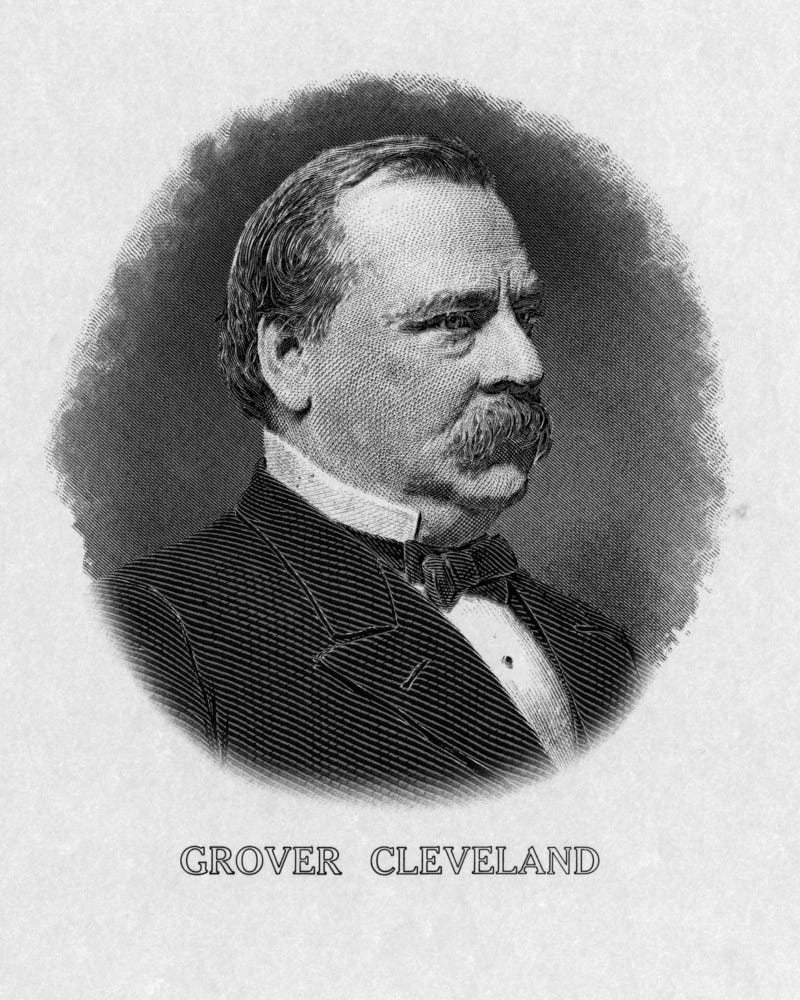
In the summer of 1894, as a nationwide rail strike centered in Pullman, Illinois was unfolding, President Grover Cleveland signed Labor Day into law as a peace offering to organized labor. Days later, he sent federal troops to break the strike anyway. Workers died.
I bring that history up because it’s a pattern. Every gain American workers have made (like the weekend, the eight-hour day, safety standards, and the right to organize at all) was fought for against an employer, company, or government that had to be pressured into recognizing it.
Those gains were not offered freely. Prosperity in this country didn’t trickle down from Washington. It was built up from the assembly lines, the hospitals, the classrooms, and union halls and handed to Washington as a matter that those in DC eventually learned to take credit for.
I think about that this year in particular, because the same struggle is still happening, right now. Since the start of Trump’s second term, his administration hammered down a pair of executive orders challenging the dignity of work and stripping collective bargaining rights from more than a million federal workers, citing “national security” as the reason.
The House, in a rare bipartisan moment, passed legislation (H.R. 2550, the “Protect America’s Workforce Act”) this past December to reverse it and restore those bargaining rights. The very next day, the Department of Homeland Security announced its plans to terminate the union contract for 47,000 TSA workers, despite a court injunction that was supposed to be blocking exactly that. The House bill is still yet to be passed by the Senate.
I’ve spent time in this country’s institutions and I can tell you that unfortunately the people actually doing the job are rarely the ones who get consulted before someone in an office decides what their job is worth. It’s sad. This year alone we watched the sailors of the USS Abraham Lincoln spend 286 days at sea, rationing soap and toothpaste, while the Commander in Chief called the ship “beautifully maintained.” We watched VA nurses lose their voice at the bargaining table. We watched TSA officers who screen every one of us at the airport get told their union no longer exists. None of these are abstractions. They’re the same worker, in a different uniform, being told the same thing: be grateful, and don’t ask for a seat at the table.
Here’s what I want to say on a day built exactly for straight talk. The prosperity we celebrate on Labor Day was earned shift by shift, strike by strike, contract by contract, by people who had to fight their own government to get it recognized. It belongs to collective power, and it has resulted in what was once a dream for safe work environments, time off for time spent with family, and the right to organize.
As someone who was one of the few pro-union Republican members of Congress during my time there, I’d rather celebrate the workers than the people who eventually signed the paperwork making today a holiday. Workers like the postal carriers still finishing their routes in whatever heat or snow the day throws at them. The teachers grading papers at their kitchen table long after their own kids are asleep. The meatpacking and warehouse workers who kept grocery shelves stocked through every supply shock of the last few years, usually for less than the job is worth. The air traffic controllers who spent this year guiding more military and commercial traffic than they were ever trained to expect, holding it together on double shifts nobody outside the tower sees.
This country was founded on a union, as a union. It has been sustained, generation after generation, by people who understood that the union meant something bigger than the states that signed onto it first. That it meant something owed to each other, worker to worker, regardless of what Washington was willing to admit. That’s still true today, whether or not anyone in Congress says so out loud.
Speech, press, petition, religion, and assembly are the five freedoms offered by the First Amendment, and on Labor Day the right that is in focus today is the right to make your voice heard through those five freedoms. That right is synonymous with this country’s founding, and it is integral to our republic.
So happy Labor Day. You earned it, even on the days nobody tells you so.
- Adam
What a great essay Adam! This message needs to be heard throughout our country and especially through our halls of each state and federal congress, agency, organization, department, and boardroom.
Thank you Adam.