

Note: video for paid subscribers follows article.
A little more than a week before Iran shot down an American F-15E fighter jet, President Trump bragged that American planes were flying over Tehran and that the Iranians “can’t do a thing about it.” Then Iranian air defenses brought down one of those planes. Fortunately, both aviators survived. Asked whether the shootdown would affect negotiations, Trump said, “No, not at all.”
His subsequent actions tell a different story. Trump began the war demanding Iran’s surrender. But after Iran brought down one of our planes, he became much less willing to put American planes over the country. Why? He got scared.
Trump chose this war. He promised a quick victory without preparing for the possibility that Iran would absorb the first strikes and keep fighting, which is exactly what happened.
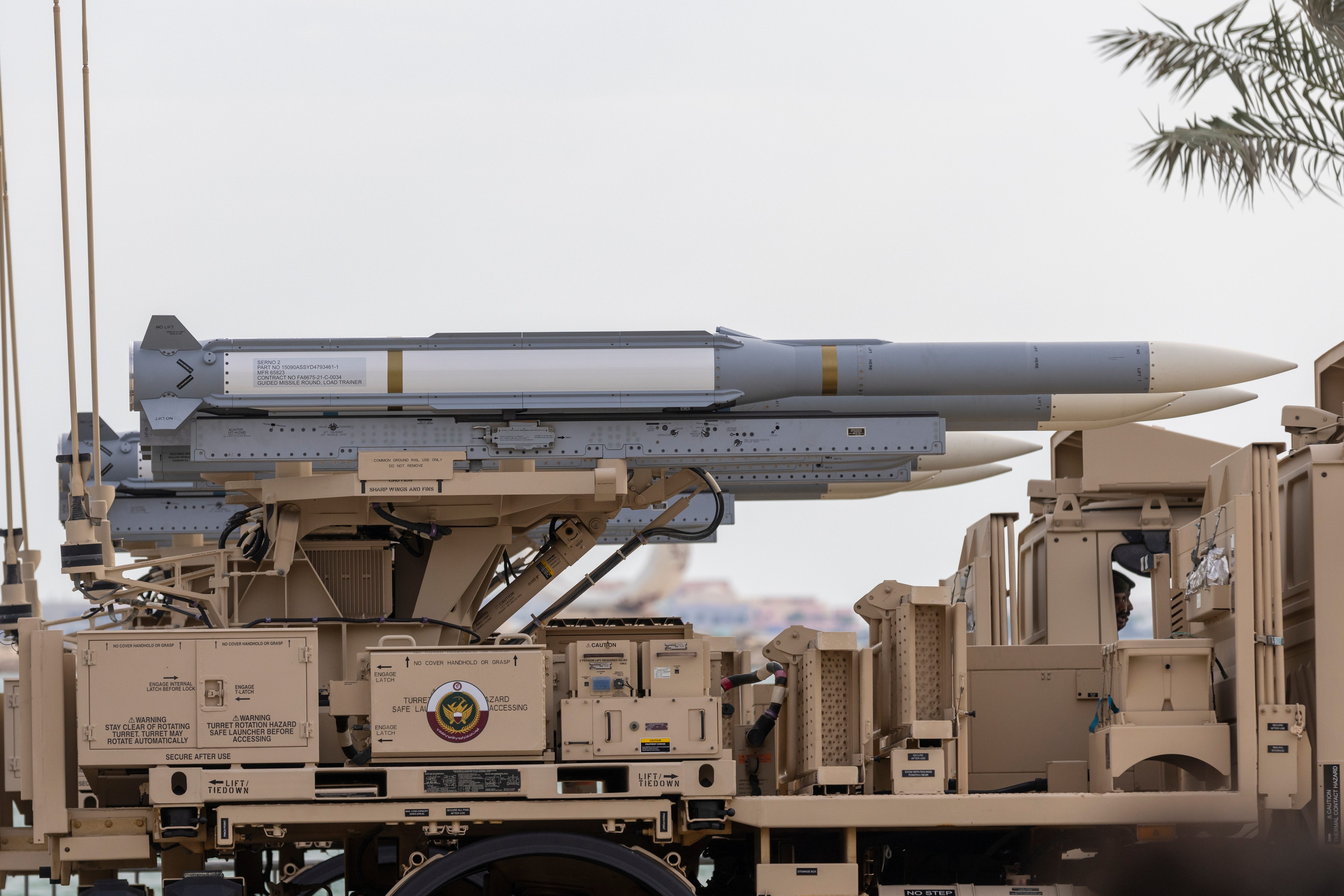
Since the F-15E was shot down, Trump has relied more heavily on long-range missiles that allow American planes to strike from hundreds of miles away. We use those weapons to destroy radars and missile batteries so that our planes can move closer and use cheaper, more plentiful bombs. These weapons are complex, expensive and built for a very specific use. We are not supposed to use them for everything, which unfortunately is what Trump is doing out of fear.
Changing How You Read the News: Here’s Why It Matters
Americans aren’t just disagreeing; we’re being shown completely different stories.
Every day, news outlets decide what to publish. In polarized media environments, audience demographics can split coverage. If you rely on only one side of the media spectrum, you could miss stories entirely, not because it isn’t credible, but because it doesn’t align with certain editorial priorities.
That’s why I’m often asked where I go to do research for my reporting. One of the main research tools I use is called Ground News. Ground News shows me how stories are being covered from different political perspectives, and it highlights “blindspots” where only left-wing or right-wing media is covering a story.
That kind of visibility is rare right now, and it changes how you understand the news. I’ve worked out a deal with them; if you want that level of insight every day, head to GroundNews.com/AdamK and subscribe to get 40% off the Vantage plan, the one I use.
Ground News is subscriber-funded, so they don’t rely on ads that could introduce bias. By subscribing, you support both our channel and their independent team working to keep the media transparent.
The cost difference is huge. A JASSM–a long-range cruise missile that lets a plane hit a heavily defended target from hundreds of miles away–costs more than $2 million. A Small Diameter Bomb, a precision-guided weapon, costs about $40,000. Using the cheaper bomb requires a plane to get much closer to the target. But that is the choice Trump is trying to avoid. His fear of another plane getting shot down is why the military is now using multimillion-dollar missiles where a cheaper weapon might otherwise do the trick.
The United States isn’t close to running out of every kind of bomb. The military is just using our most sophisticated missiles much faster than manufacturers can replace them. In June, Trump summoned defense executives to the White House as officials talked about putting production “on a war footing.” The Pentagon has asked Congress for $67 billion to replace weapons used in the war.
And when confronted with the dwindling supply of these precision missiles? Trump blames Ukraine for the shortage. Not only is this untrue, but it’s a cowardly excuse for Trump’s own mistakes.
As a result, the United States is rapidly burning through some of its most valuable weapons without actually doing enough damage to push Iran toward surrendering.
The costs extend beyond Iran. Rebuilding the missile inventories we’ve used in Iran will take years and leave fewer missiles available if a war breaks out in the Pacific. Our nation’s military readiness will be lessened for years to come.
Defensive interceptors present a separate problem. When Iran fires a missile at one of our bases, commanders have little choice but to try to shoot it down. They must use Patriot missiles or other interceptors, which are expensive, difficult to replace, and are being used at a troubling rate. According to the Wall Street Journal, Trump was so concerned about shrinking interceptor stocks that he decided to pause a larger escalation.
But keeping our planes outside of Iranian airspace does not protect the Americans stationed at bases that are within range of Iranian missiles. Eighteen Americans have been killed in the war, and more than 600 have been wounded. So far, the war has cost $37.5 billion. Keeping fighters farther away might lower the risk of another plane getting shot down. But American troops at regional bases still face Iranian missiles, and we are using weapons we may need elsewhere in the future.
Lyndon Johnson began Operation Rolling Thunder in 1965 because he thought that sustained bombing would pressure North Vietnam into backing down. But he micromanaged everything. He changed the targets, stopped the bombing and started it again. Meanwhile, Hanoi continued fighting. The campaign lacked a clear objective, which is why it didn’t achieve one.
Trump has paused the strikes, claimed progress in negotiations and threatened to bomb Iranian power plants and bridges if the talks fail. When Iran attacks American forces, he promises retaliation. He still hasn’t said what Iran would have to agree to for him to end the war. This is not a commander in chief who knows what he’s doing.
Ending the war without a larger campaign will almost certainly require Trump to accept less than the “unconditional surrender” he demanded. Escalation would put more Americans at risk, and he has not made the case for taking that risk. He has tried to avoid the choice by continuing to strike from a distance.
Trump talks endlessly about strength. His conduct in Iran has exposed a man who chose a war, promised an easy victory and lost his nerve when a single American plane went down. His fear is no longer just his problem. Now we all must carry the cost. That’s what happens when a phony tough guy is forced to make life-and-death decisions.
Video discussion for paid subscribers:
